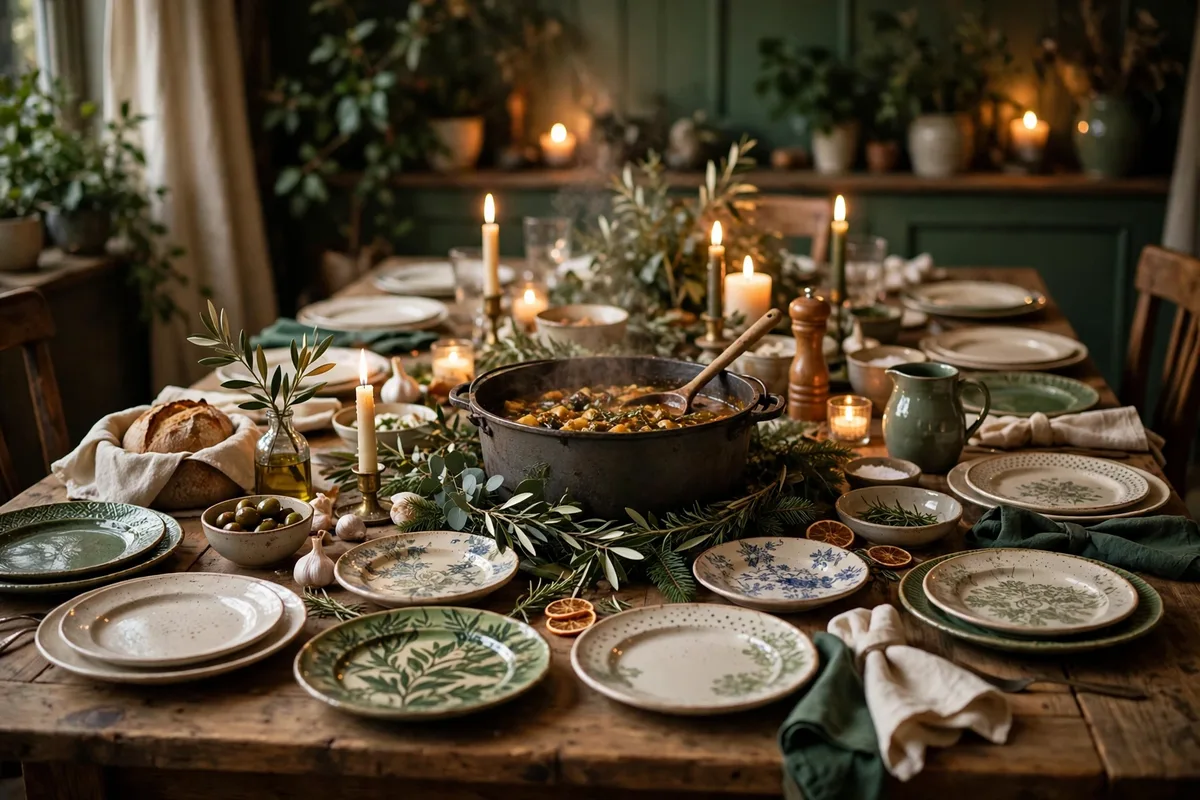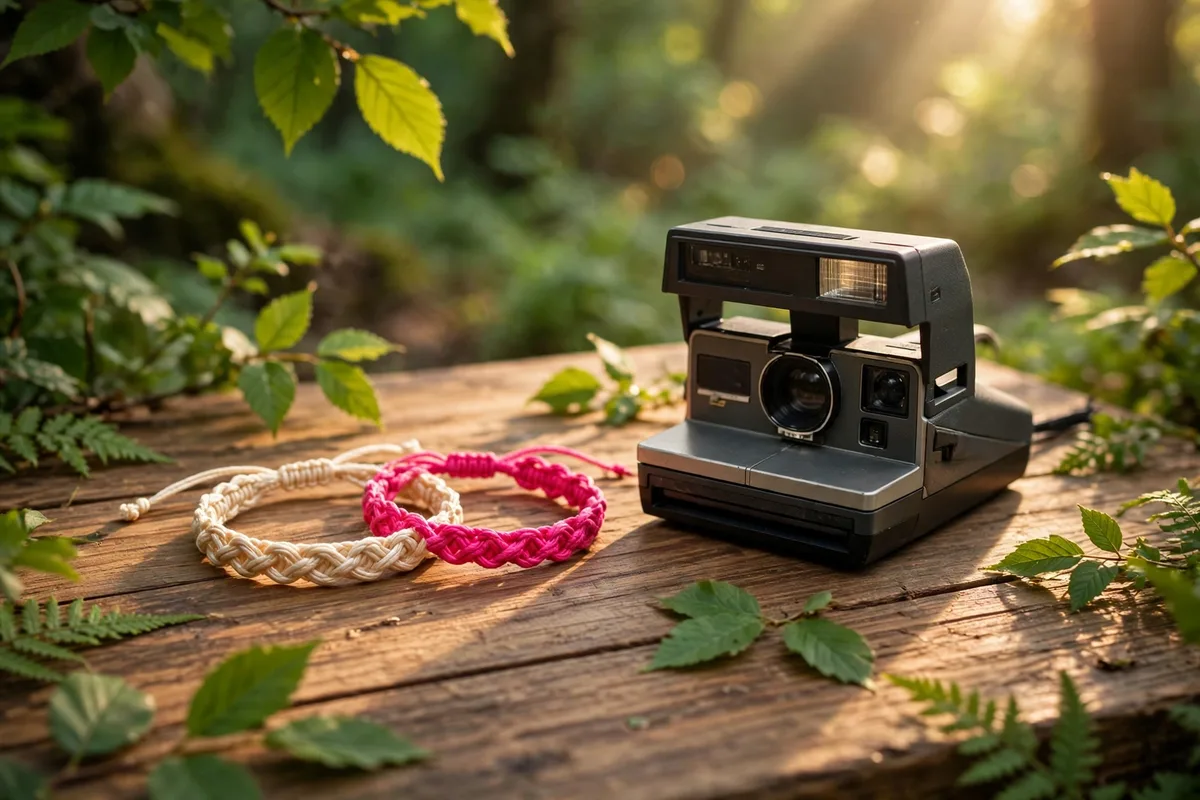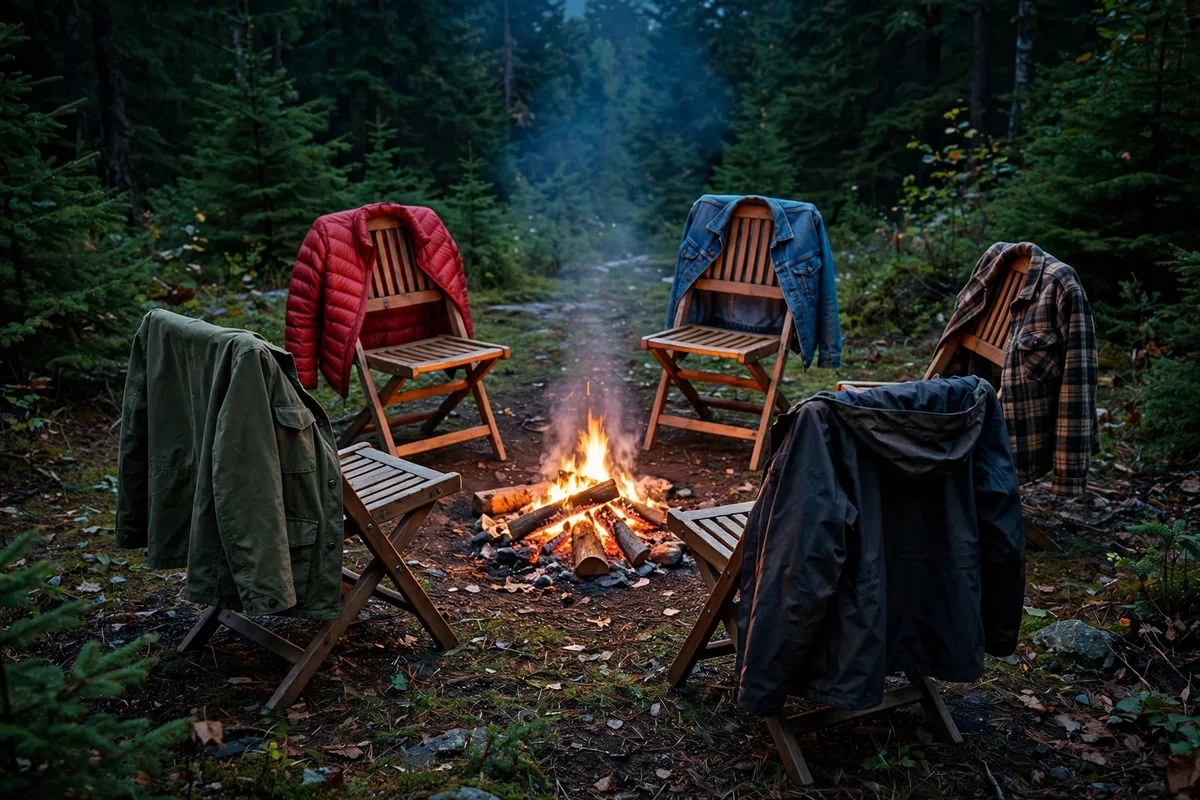
Friend group dynamics are the roles, habits, and unspoken rules that give a group its shape: who plans, who panics, who always has snacks, who always has a charger. They are what make a group feel like a group instead of a list of characters who happen to stand near each other.
What are friend group dynamics?
A friend group dynamic is a pattern of behaviour inside a group — a role one member fills, a habit the group shares, or a rule nobody wrote down but everybody follows. The planner keeps the calendar, the chaos agent suggests the worst idea first, the quiet one says the least and notices the most. None of these roles are assigned; they emerge from what each person actually does, and the group knows them even though they are never spoken aloud.
How many dynamics should a group have?
Three or four are enough for a group to feel real. Give each member one clear role, then let two roles clash, and the group starts writing itself. More than five or six roles and the group turns into a cast list the reader has to memorise; fewer than three and it feels like a pair with extras. The strongest groups also have one member who fills two roles at once — the planner who is also the worrier, the hype person who is also the therapist — because real people are never just one thing.
24 friend group dynamics
- The planner. Keeps the calendar, books the table, sends the reminders. Secretly loves it and would be lost without the chaos to organise.
- The chaos agent. Suggests the worst idea first and the best idea second. The group pretends to ignore them and then does exactly what they said.
- The mum. Carries plasters, water and spare phone chargers. Has said "text me when you get home" more times than anyone can count.
- The mediator. Steps between two arguing friends before anyone else notices there is an argument. Hates conflict and is very good at ending it.
- The quiet one. Says the least, notices the most. When they finally speak, the whole group stops to listen, because it is always worth hearing.
- The hype person. Celebrates every small win like a championship. Nobody in the group has ever felt uncelebrated around them.
- The encyclopedia. Knows a fact about everything and shares it at exactly the wrong moment. The group rolls their eyes and then repeats the fact later.
- The snack provider. Always has food. Always. Nobody knows where it comes from and nobody asks anymore.
- The driver. Drives everywhere, knows every shortcut, and has a playlist for every mood. The car is the group's second home.
- The therapist. The one everyone tells everything to first. Gives good advice and never repeats what they are told.
- The rival. Turns everything into a competition: games, cooking, walking speed. Loses gracefully and never actually stops competing.
- The late one. Always fifteen minutes late, always with a story about why. The group has stopped believing the stories and started planning around them.
- The early one. Arrives first, saves the seats, orders for everyone. Secretly enjoys being the reliable one.
- The cook. Feeds the group, judges their knife skills, and takes it personally when someone orders takeaway instead.
- The playlist keeper. Controls the music and takes requests with the seriousness of a judge. A bad song choice is a group event.
- The photographer. Documents everything, including the moments everyone begged them not to document. The group album is sacred.
- The daredevil. Suggests the jump, the climb, the shortcut through the river. The group follows half the time and talks about it for years.
- The worrier. Checks the weather, the route and the opening hours. Annoying to plan with, and the reason nothing has ever gone wrong.
- The pun machine. Cannot stop, will not stop. The groans are the point, and the group secretly misses the puns when they are away.
- The night owl. Comes alive after midnight and keeps the conversation going until the sun comes up. The group has learned to nap in advance.
- The morning person. Up at dawn, already has coffee ready, and does not understand why everyone else is so slow. Forgiven by breakfast.
- The storyteller. Retells the group's history with dramatic flair, and the story gets better every time. Nobody corrects the details anymore.
- The peacekeeper. Changes the subject when tension rises, cracks a joke at the exact right moment, and keeps the group together without anyone noticing.
- The new one. The most recent addition, still learning the inside jokes and already essential. The group cannot remember how they managed before.
How do dynamics create conflict and comedy?
Put the planner next to the chaos agent and you have a scene. Put the worrier next to the daredevil and you have an argument. The best group scenes come from two roles wanting opposite things: the early one against the late one, the cook against the snack provider, the mediator caught between the rival and the hype person. Comedy comes from the same place as conflict — two people doing exactly what their role tells them to do, at exactly the wrong moment.
How do I keep a group from feeling fixed?
Let roles shift. The quiet one leading for once, the planner losing control, the therapist needing advice: these are the moments that make a group feel alive instead of fixed. Give each member a role, then give them one scene where the role breaks. A group that never changes is a diagram; a group where the roles bend under pressure is a story.
Build the group pair by pair as well as role by role. The planner and the chaos agent have a different relationship than the planner and the worrier, and those two-person bonds are where the group's real history lives. If you want a starting point for any two members, the Relationship Headcanon Generator builds a bond idea in seconds, and you can shape it to fit the pair inside the group. The friendship headcanon ideas list has more two-person habits to borrow.