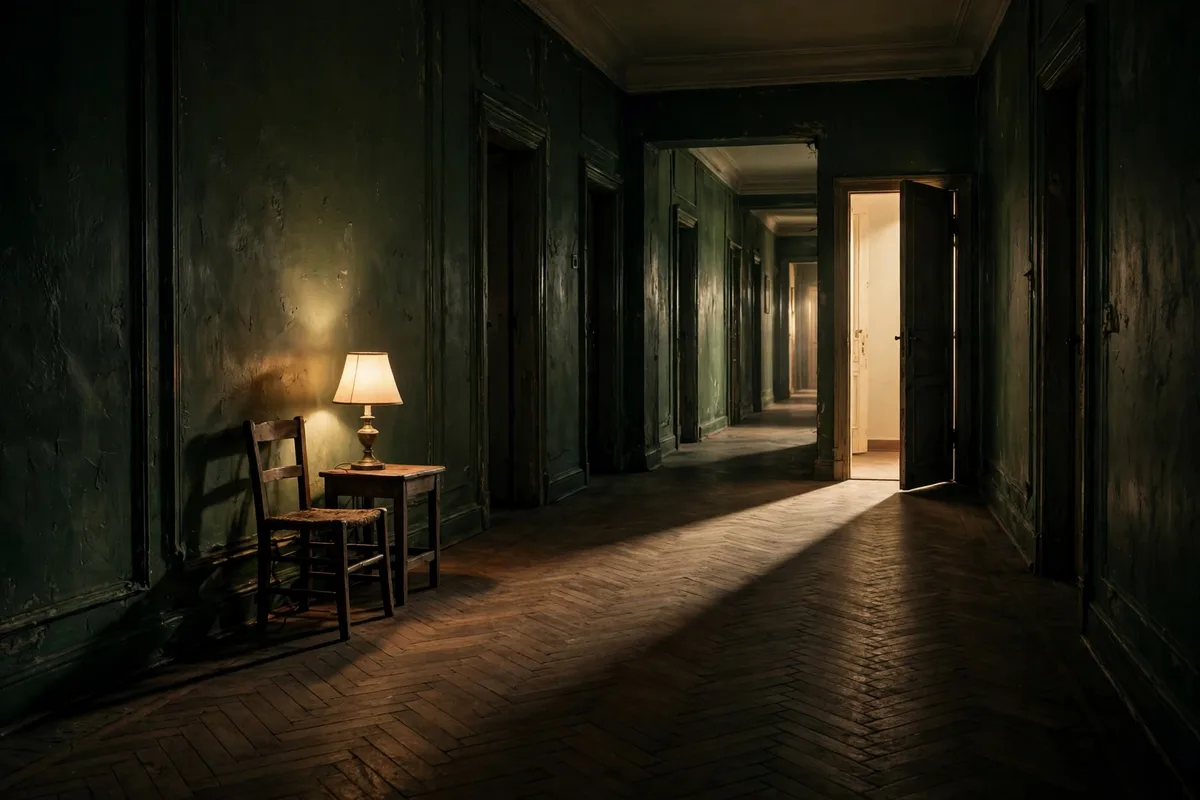
Fear is one of the most useful tools a writer has. It tells the reader what a character values — because people only fear losing what matters to them. A character who fears nothing has nothing at stake, and a story with nothing at stake is hard to care about.
Fears and phobias are not the same thing. A fear is a worry a character can live with. A phobia is a fear that takes over: it changes decisions, ends conversations, and closes doors. Both are useful, but they do different work in a story — and a character usually carries one of each.
What are common character fears?
The most common character fears are the ones readers recognise in themselves. That recognition is the point: when the reader feels the fear, they feel the character.
Everyday fears
These are the fears most readers recognise at once, which makes them easy to use and easy to believe.
- Being forgotten — the fear that no one would notice if they disappeared. Drives them to be loud, useful or unforgettable.
- Being a burden — refuses help, apologises for needing anything, and burns out quietly.
- Being wrong in public — avoids speaking first, rehearses every sentence, and hates being corrected.
- Losing control — plans everything, panics when plans break, and trusts no one else to take charge.
- Being ordinary — chases proof that they matter: titles, victories, recognition.
- Being left behind — clings to people and places, even ones that hurt them.
- Being exposed as a fraud — convinced their success is a mistake someone will eventually notice.
- Hurting someone they love — holds back, keeps distance, and calls it protection.
Deep-rooted fears
These run deeper and usually come from the character's past. They shape long-term behaviour, not just single scenes.
- Trusting again — betrayed once, and now treats every kindness as a trap.
- Becoming like their parent — fights their own reflection in every choice they make.
- Being powerless — collects skills, allies and leverage, and never lets go of any of it.
- Being pitied — would rather be hated than helped; hides every weakness.
- Repeating a mistake — avoids entire parts of life because one decision went wrong.
- Being truly known — keeps everyone at arm's length, because being understood feels like being caught.
- Losing themself — changes for every room they enter, and no longer knows who they are alone.
- Running out of time — rushes everything, because they are sure the end is closer than it looks.
Phobias with story use
A phobia is specific, physical and hard to hide — which makes it excellent on the page. The reader sees the reaction before the character can explain it.
- Heights — freezes on a rooftop, a bridge, a ladder; the body decides before the mind does.
- Enclosed spaces — panics in lifts, tunnels and locked rooms; always needs an exit in sight.
- Water — avoids boats, rain and deep baths; a past event usually sits underneath it.
- The dark — sleeps with a light on; the dark is where the bad thing happened.
- Crowds — overwhelmed by noise and bodies; escapes to quiet corners and back doors.
- Blood — faints or freezes at the sight of it, even their own; a hard flaw for a fighter.
- Storms — flinches at thunder; counts the seconds between flash and sound.
- Being watched — hates stages, cameras and crowds; performs worst when it matters most.
Fear, flaw, and motivation: how they connect
A fear is rarely alone. It usually grows out of a flaw and points at a motivation. A character who is proud fears being exposed as a fraud. A character who is reckless fears being powerless. A character who wants belonging fears being forgotten. When you pick a fear, check it against the character's flaws, traits, and motivation — if all three point the same way, the character feels like one person instead of a list.
| Fear | The flaw it grows from | The motivation it blocks |
|---|---|---|
| Being forgotten | Vanity, or a need to be seen | Belonging |
| Being a burden | Pride, or a refusal to ask for help | Love, or being chosen |
| Losing control | Perfectionism, or distrust | Safety |
| Trusting again | Bitterness, or a betrayal wound | Belonging, or love |
| Being truly known | Secretiveness, or shame | Identity |
Character fears for D&D and tabletop games
At the table, a fear works when the campaign can press on it. A character who fears the dark will have to explore caves. A character who fears water will have to cross a river. A character who fears being forgotten will have to let someone else take the credit. Tell your Dungeon Master the fear — and the event behind it — so they can build scenes around it. The NPC generator can give your character's companions fears of their own, so the whole party has something at stake.
How to show fear in a scene
Do not name the fear — show the body first. Hands that shake, a joke told too fast, a sudden need to leave the room. The reader should feel the fear before they understand it.
Give the fear a cost. A character who fears water should have to cross a river. A character who fears being forgotten should have to let someone else take the credit. Fear only matters when the story makes the character face it — or pay for avoiding it.
And remember that fear and courage are the same scene from two sides. A character is not brave because they are unafraid; they are brave because they act while afraid. That is the moment readers remember.
Need a fear for a new character? The Character Headcanon Generator can give you instant character ideas — including the habits and quirks that hint at what a character is afraid of. For the broadest version of the tool, try the Headcanon Generator.